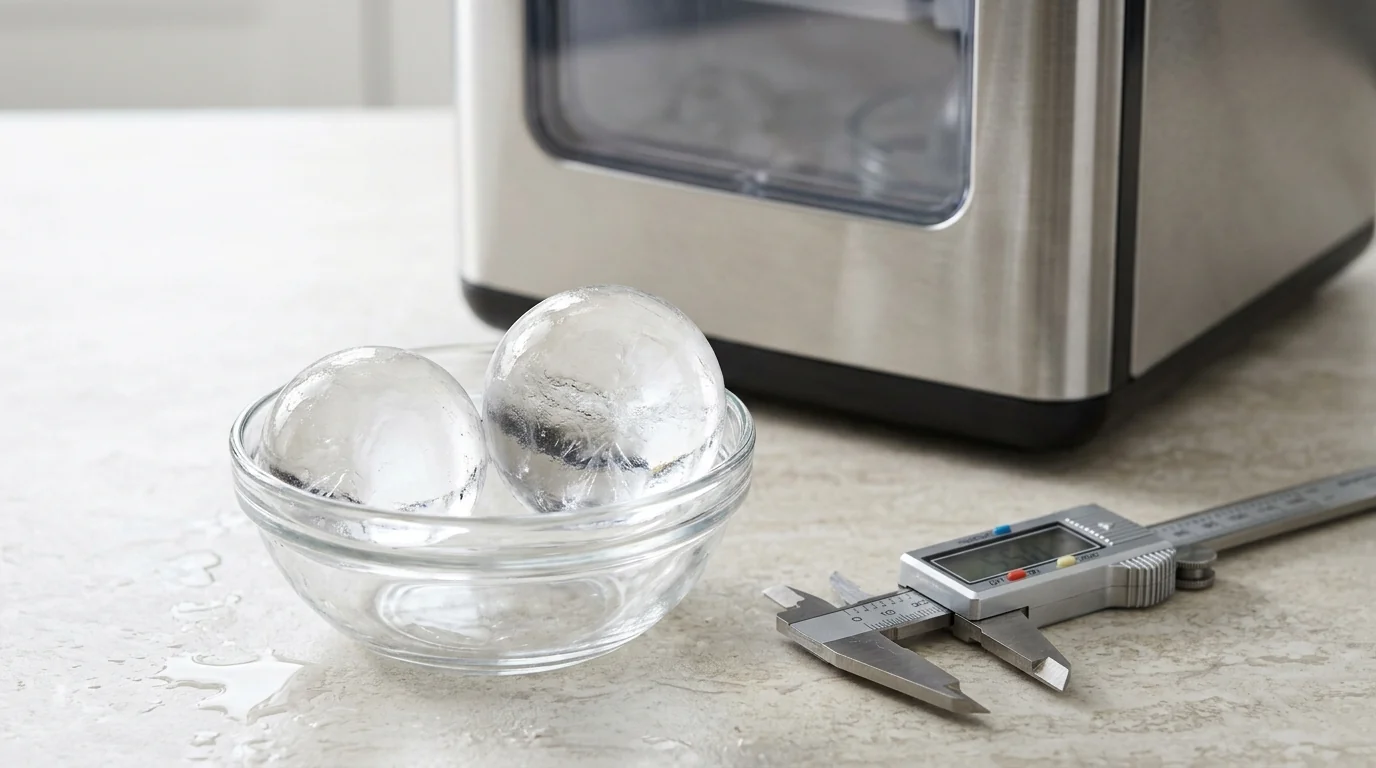
Quick Answer: Clear ice vs regular ice
Clear ice vs regular ice is mainly a difference in appearance, buyer expectation, and claim risk. Clear ice is valued for a cleaner, more transparent look, often in presentation-led drink settings. Regular ice is a broader term for common ice that may appear cloudy or less uniform. For B2B sourcing, clear ice claims should be used only when the exact machine and operating conditions support them.

Key Takeaways for Buyers
- Clear ice is an appearance claim, not just a cube shape.
- Regular ice is a broad term and should be described carefully.
- Do not use clear, crystal, or premium appearance wording without model support.
- Samples and real photos are essential before packaging or product page claims are approved.
Clear Ice vs Regular Ice: Core Differences
| Decision Point | Clear Ice | Regular Ice | B2B Buying Note |
|---|---|---|---|
| Appearance | More transparent when properly produced | May look cloudy or less uniform | Use real model photos. |
| Buyer Expectation | Presentation and visual quality | Everyday cooling and serving | Avoid overpromising clarity. |
| Claim Risk | High if unsupported | Lower but less specific | Keep wording tied to verified output. |
| Sourcing Need | Sample proof and condition notes | Basic specification review | Document what the model can actually do. |
Texture and Drinking Experience
Clear ice is often discussed because it looks cleaner in drinks, but appearance depends on machine design, water conditions, and operating details. Regular ice is a broader buyer-friendly term, but it does not explain shape, hardness, or clarity. Product pages should be precise about what the machine actually produces.
Machine Platform and Product Line Fit
For compact ice maker sourcing, clear ice language creates higher expectations than standard cube or bullet ice language. If a machine is a cube ice maker but not a verified clear ice platform, the safer wording is cube ice or regular ice, depending on the model and product plan.
Sourcing Checks Before You Choose
- Ask for real ice photos from the exact model and normal use conditions.
- Confirm whether clear ice performance is documented or only a marketing phrase.
- Review packaging and listing copy for unsupported premium appearance claims.
- Separate clear ice content from ordinary cube ice content if the product line supports both.
Which Ice Type Fits Which Buyer?
Clear ice may fit buyers targeting cocktail, presentation, or premium drink contexts. Regular ice fits broader everyday use where appearance is less central. If a buyer cannot verify clear ice output, it is safer to position the machine around the confirmed ice type and practical use case.
Private Label and Retail Planning Notes
For private label projects, the ice type affects more than the product page title. It changes buyer expectations, packaging copy, demo photos, after-sales questions, and the way sales teams explain the product. Confirm the exact model specification before using claims about output, first ice time, tank size, voltage, material documentation, or certifications.
Crylivo Sourcing Support
Crylivo can help buyers review whether clear ice wording is suitable for a selected model, or whether cube ice and regular ice positioning would be safer for product pages, packaging, and distributor catalogs.
FAQ
Is clear ice the same as cube ice?
No. Cube ice describes shape, while clear ice describes appearance. A cube-shaped ice piece is not automatically clear.
Can regular ice be used in product copy?
Yes, but it should be paired with the actual ice type and model details so buyers understand what the machine produces.
Why are clear ice claims risky?
They create strong visual expectations. If the selected model cannot support the claim, customers may feel misled.
What should buyers request from suppliers?
Request real photos, sample results, specification sheets, user manual details, and any documentation that supports appearance claims.
Looking for the right ice maker for your market?
Tell us your ice type, capacity and target region. Our team will recommend the best platform from our OEM/ODM lineup.
Get a Quote →