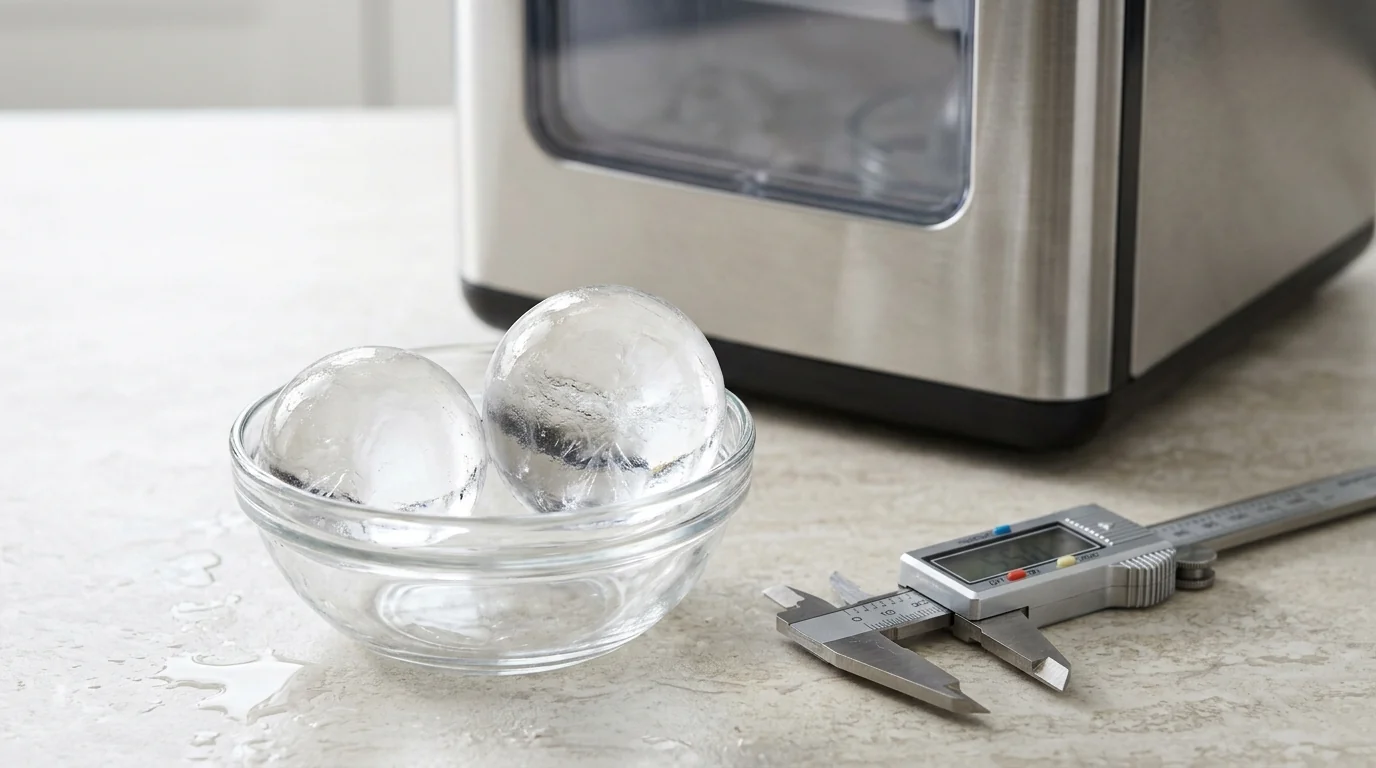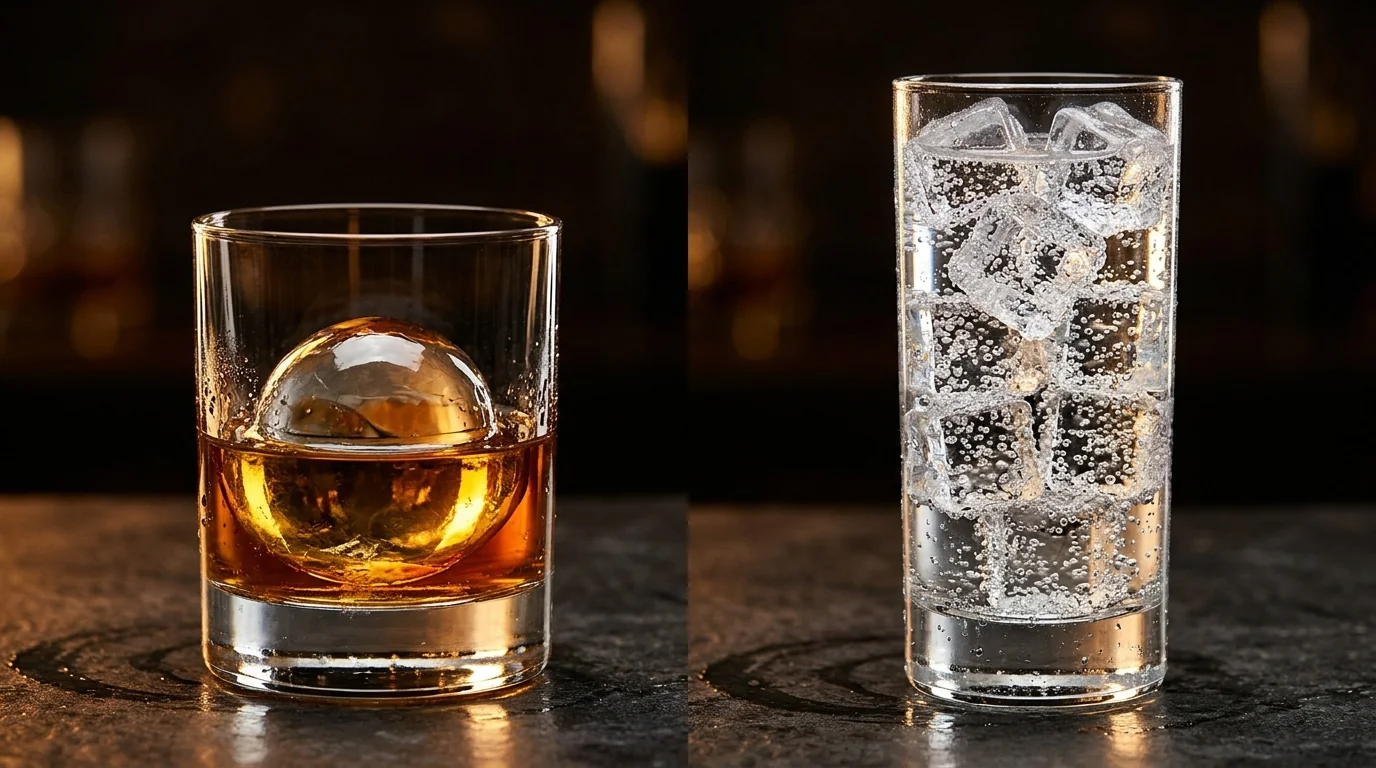
Quick Answer: Bullet ice vs cube ice
Bullet ice vs cube ice is a practical sourcing choice between a familiar rounded compact-ice format and a firmer, more structured ice shape. Bullet ice is often easier to position for everyday countertop products. Cube ice may be preferred when buyers want a more traditional serving shape or a stronger visual match for mixed drinks. The final decision should be based on target customers, sample ice output, machine specifications, and market requirements.
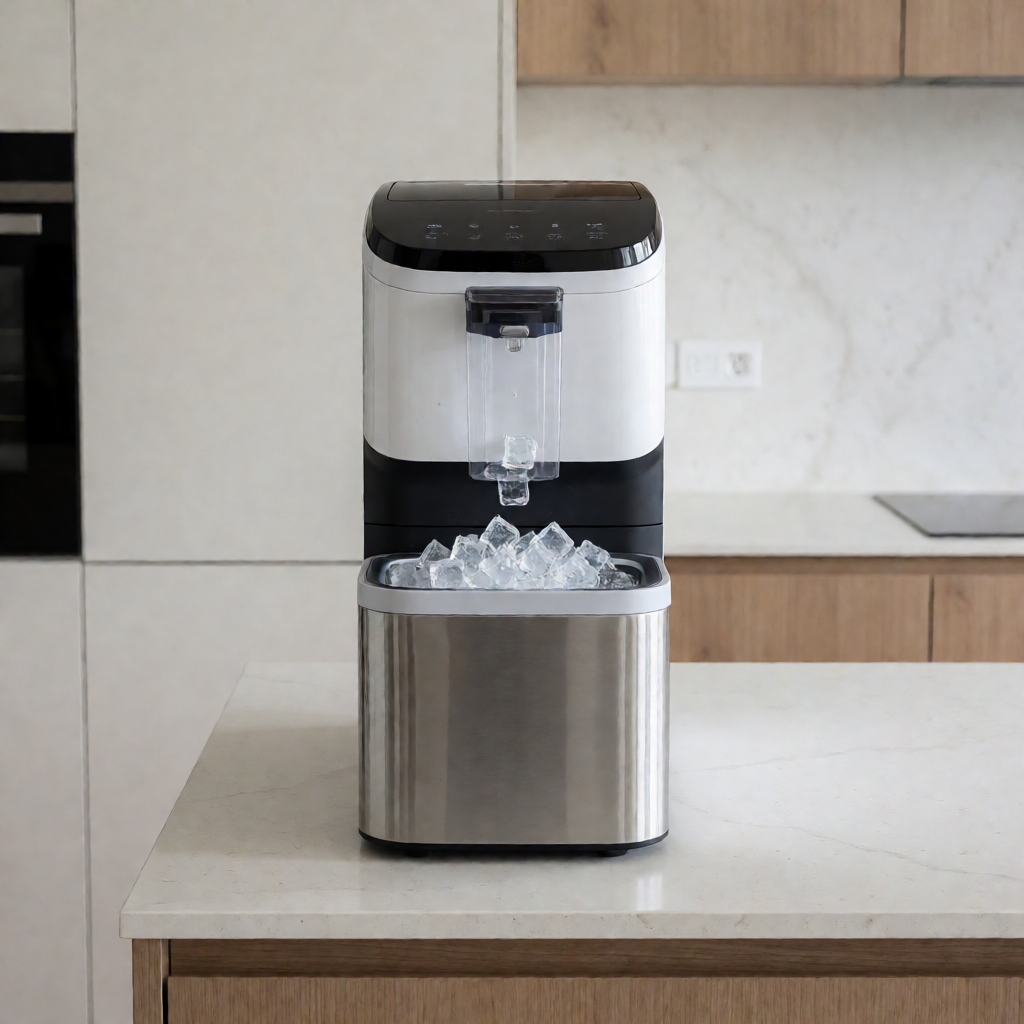
Key Takeaways for Buyers
- Bullet ice is often easier to explain in compact ice maker retail lines.
- Cube ice can support a more structured drink presentation.
- Both ice types need model-specific checks before claims are used.
- Use comparison content to guide buyers back to relevant category pages.
Bullet Ice vs Cube Ice: Core Differences
| Decision Point | Bullet Ice | Cube Ice | B2B Buying Note |
|---|---|---|---|
| Shape | Rounded, bullet-like | Angular or square-style | Show actual output, not only icons. |
| Buyer Story | Everyday countertop convenience | Drink presentation and general serving | Pick the story that matches the target channel. |
| Product Risk | Customers may ask about hollow center | Customers may ask about clarity or hardness | Answer with model facts only. |
| Private Label Fit | Good for simple retail messaging | Good for more presentation-led positioning | Packaging copy should stay factual. |
Texture and Drinking Experience
Bullet ice is usually recognized quickly because of its rounded shape. Cube ice is easier to connect with a traditional drink-service experience. The texture and melt behavior should still be checked with real samples, because the machine platform and operating conditions can affect the buyer's experience.
Machine Platform and Product Line Fit
For compact ice maker sourcing, bullet ice models often compete on ease of understanding and broad household use. Cube ice models may need stronger visual proof because buyers can confuse cube, clear ice, and craft ice claims. If the product does not make clear ice, avoid clear-ice language.
Sourcing Checks Before You Choose
- Compare real sample output under the same review conditions.
- Confirm whether cube-related copy could imply clear ice or craft ice.
- Check model specification data before writing cycle or output claims.
- Prepare separate category links for bullet and cube buyer paths.
Which Ice Type Fits Which Buyer?
Bullet ice can be the safer entry-level story for broad retail channels. Cube ice can be a better fit when the buyer wants a firmer-looking ice shape and stronger beverage presentation. For importers, the best choice depends on where the product will sit in the product range.
Private Label and Retail Planning Notes
For private label projects, the ice type affects more than the product page title. It changes buyer expectations, packaging copy, demo photos, after-sales questions, and the way sales teams explain the product. Confirm the exact model specification before using claims about output, first ice time, tank size, voltage, material documentation, or certifications.
Crylivo Sourcing Support
Crylivo can support bullet and cube ice maker comparisons for sourcing teams that need practical product positioning, private label copy, and specification review before adding a model to their catalog.
FAQ
Which melts slower, bullet ice or cube ice?
Do not assume without testing the exact model output. Shape, size, density, and use conditions can all affect melting.
Is cube ice the same as clear ice?
No. Cube shape does not automatically mean clear ice. Clear ice claims require model-specific support.
Which ice type is easier to sell?
Bullet ice is often easier for general buyers to understand, while cube ice can work well for drink presentation.
Should a catalog carry both?
It can, if each model has a clear role and the product pages avoid duplicate claims.
Looking for the right ice maker for your market?
Tell us your ice type, capacity and target region. Our team will recommend the best platform from our OEM/ODM lineup.
Get a Quote →